

Digital Twins 2.0 – The Future of Virtual-Physical Fusion
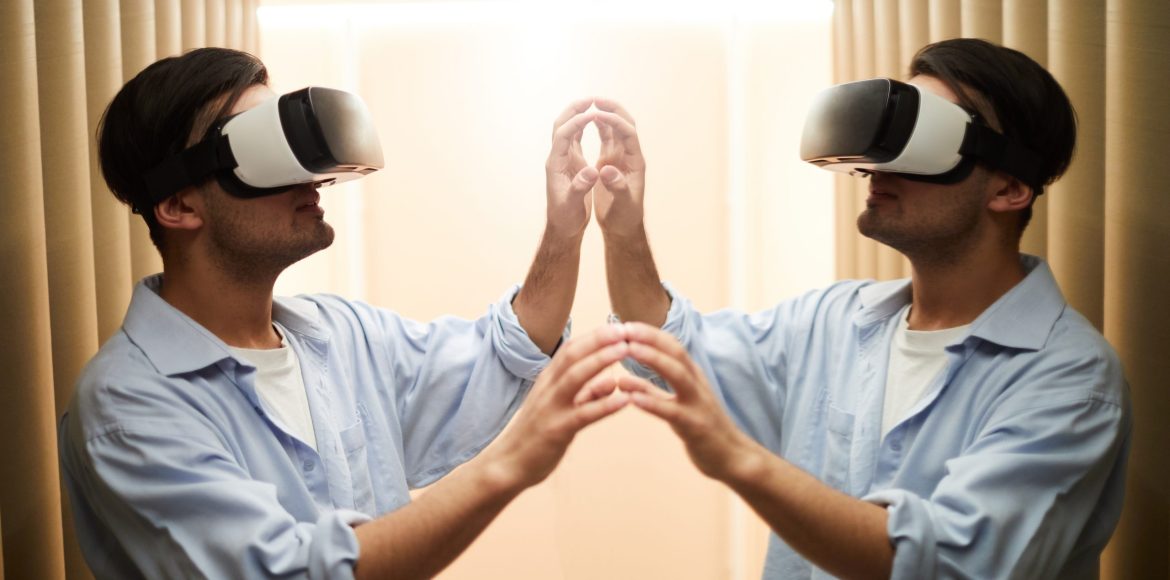
Digital Twins 2.0 – The Evolution of Intelligent Virtual Models
Over the past decade, the concept of a digital twin — a virtual representation of a real-world object, process, or system — has evolved from a niche engineering tool to a transformative force reshaping industries. We are now entering Digital Twins 2.0, where virtual models are no longer just passive replicas but intelligent, self-learning ecosystems interacting with the physical world in real time.
This isn’t science fiction. Factories, cities, energy grids, and even human organs are being mirrored in the digital realm with unprecedented accuracy. With advances in AI, IoT, and cloud computing, these twins can now predict, optimize, and self-correct — creating a seamless integration between the physical and virtual worlds.
From Static Models to Living Simulations
Early digital twins were advanced CAD models with sensor data overlays, used to monitor performance, detect issues, and simulate scenarios. Today, Digital Twins 2.0 are continuously evolving simulations that:
- Use real-time sensor data streams.
- Leverage AI algorithms to anticipate changes before they occur.
- Enable predictive maintenance and automatic optimizations.
For example, in aerospace, a jet engine’s digital twin can forecast component fatigue weeks in advance, preventing costly failures. In smart manufacturing, production line twins can auto-adjust operations to fix inefficiencies.
The Role of AI in Next-Gen Digital Twins
Artificial Intelligence is the heartbeat of Digital Twins 2.0. While traditional twins relied on human interpretation, AI-powered twins can detect patterns invisible to humans.
This makes them:
- Predictive: Anticipating future states and potential issues.
- Prescriptive: Recommending or executing corrective actions.
For example, a city traffic management twin can forecast congestion using data on weather, events, and commuter behavior — then automatically adjust traffic lights to keep traffic flowing efficiently.
The Infrastructure Making It Possible
Digital Twins 2.0 rely on a network of advanced technologies:
- Internet of Things (IoT): Sensors in machines, infrastructure, and wearables provide continuous data.
- 5G & Edge Computing: Low-latency connectivity and local data processing enable near-instant updates.
- Cloud Platforms: Scalable power for large-scale simulations with billions of data points.
- Blockchain: Secures and validates data integrity between physical and digital environments.
Digital Twins in Healthcare
One of the most exciting applications is in personalized healthcare. Imagine a precise, evolving model of your heart, liver, or even your entire body, used to simulate medical procedures before they happen.
Potential benefits include:
- Early disease detection via real-time wearable data.
- Personalized treatment plans with reduced risks.
- Faster recovery through optimized surgical strategies.
Sustainability Impact
Digital twins are powerful allies in climate change mitigation and sustainable development:
- Urban planners use city-scale twins to model environmental impact before construction.
- Renewable energy companies optimize wind farm configurations for efficiency.
- Agricultural twins reduce water waste by optimizing planting and irrigation.
Challenges of Digital Twins 2.0
- Data Overload: Managing massive real-time data streams.
- Security Risks: Protecting critical infrastructure blueprints from cyber threats.
- Interoperability: Bridging gaps between different industry standards.
Overcoming these challenges will require cross-industry collaboration, policy development, and continuous innovation.
The Next Decade of Digital Twins
In the coming years, we will see:
- Personal Lifestyle Twins: AI models managing diet, fitness, and finances in sync with real-world habits.
- Multi-Twin Ecosystems: Interconnected city, supply chain, and energy twins optimizing regions in real time.
This evolution will create new industries, business models, and ways of interacting with reality.
Why This Matters Now
The leap from first-generation digital twins to Digital Twins 2.0 is more than an upgrade — it’s a fundamental shift in how we manage the physical world. It offers:
- Competitive advantages for businesses.
- Safer, more personalized services for individuals.
- Innovative tools for tackling global challenges.
Just as the internet transformed communication and smartphones reshaped daily life, Digital Twins 2.0 may redefine reality itself. The question isn’t if they’ll become mainstream, but whether we’re ready to adapt to a world where every physical thing could have a living, thinking virtual counterpart.
 Reach us on WhatsApp