

Serverless Computing: The Future of Scalable Applications
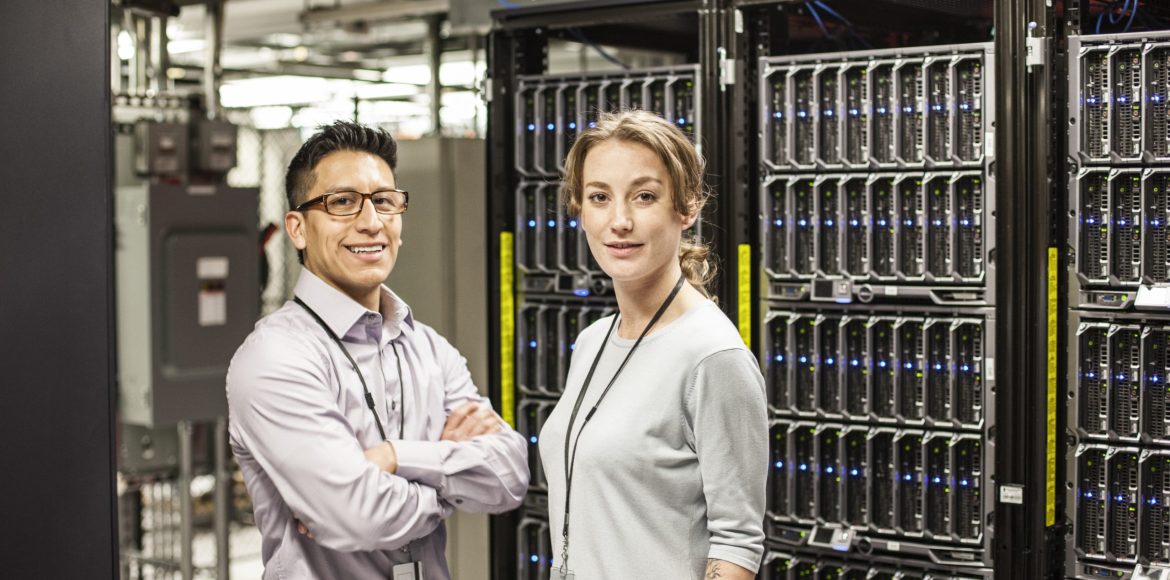
Server less Computing: The Future of Scalable Applications
Introduction
In the fast-evolving landscape of cloud computing, server less computing has emerged as a revolutionary approach to application deployment and scalability. It enables developers to focus on writing code without worrying about managing servers, making applications more agile and cost-efficient. In this blog, we explore how server less computing is transforming the way businesses build and scale applications.
What is Server less Computing?
Server less computing is a cloud execution model where the cloud provider dynamically manages the infrastructure required to run applications. Unlike traditional server-based architectures, server less computing abstracts server management, allowing developers to deploy code without provisioning or maintaining servers.
How Does Server less Computing Work?
- Developers write and deploy functions (small units of code) using cloud services such as AWS Lambda, Azure Functions, or Google Cloud Functions.
- The cloud provider automatically handles server provisioning, scaling, and maintenance.
- Applications scale up or down based on demand, ensuring cost efficiency and optimized performance.
- Billing is based on actual execution time, reducing costs compared to traditional hosting models.
Benefits of Server less Computing
1. Automatic Scaling
Server less applications automatically scale based on user demand, eliminating the need for manual infrastructure adjustments.
2. Cost Efficiency
Since resources are only used when needed, businesses only pay for actual execution time, making server less computing highly cost-effective.
3. Faster Time-to-Market
Developers can focus on writing business logic instead of managing infrastructure, accelerating application deployment.
4. Reduced Operational Complexity
Cloud providers handle server maintenance, updates, and security patches, reducing the burden on IT teams.
5. Enhanced Reliability
Server less architectures offer built-in fault tolerance and high availability, ensuring seamless performance under varying loads.
Use Cases of Server less Computing
1. Web and Mobile Applications
Server less backends power dynamic web and mobile applications with on-demand execution and real-time data processing.
2. API Gateways
Server less functions can be used to create RESTful APIs with automatic scaling and efficient request handling.
3. Data Processing & Analytics
Organizations leverage server less computing for processing large datasets, transforming data, and running machine learning models.
4. IoT (Internet of Things)
Server less platforms efficiently manage event-driven IoT workloads, reducing latency and improving device communication.
5. Chatbots and AI Services
Server less architectures enable cost-effective, event-driven AI services like chatbots and voice assistants.
Challenges of Server less Computing
1. Cold Start Issues
When a function is idle for a long time, it may take extra time to initialize, leading to latency.
2. Vendor Lock-in
Migrating server less applications between cloud providers can be complex due to differences in architecture and services.
3. Limited Execution Time
Server less functions typically have a maximum execution time, making them unsuitable for long-running tasks.
4. Debugging and Monitoring
Traditional debugging tools may not work seamlessly in server less environments, requiring specialized monitoring solutions.
Future of Server less Computing
With advancements in cloud technology, server less computing is expected to become even more powerful. Innovations like edge computing, hybrid cloud solutions, and AI-driven optimizations will enhance server less capabilities. As more organizations adopt server less architectures, we will see an increase in efficiency, automation, and cost savings across industries.
Conclusion
Server less computing is transforming the digital landscape by offering unparalleled scalability, cost efficiency, and simplified operations. Businesses looking to innovate and optimize their IT infrastructure should explore server less solutions to stay competitive in a cloud-first world. As technology evolves, server less computing will continue to shape the future of software development and cloud computing.
 Reach us on WhatsApp
Muhammad
Great. Thanks For Sharing